
Harvest Veterinary Oncology Centre (HVOC)
Harvest Veterinary Specialty and Emergency Hospital has now commenced!
The Emergency Room is now providing 24/7 service, and Specialty Services are available,
please feel free to contact us or make referrals.
In 2020, Dr. Eric Tiong, Dr. Harry Cheng, and Dr. Imen Ku, along with other partners, invested over HK$80 million to establish the Harvest Veterinary Oncology Centre (HVOC). Our mission is to provide first-class general and oncology care for animals with cancer through advanced medical equipment and high-quality holistic care services, while also offering essential support to animal owners.
To further enhance comprehensive and forward-looking medical services for animal patients, HVOC made an additional investment of over HK$50 million in 2024 to establish the Harvest Veterinary Specialty & Emergency Hospital (HVSEH). This new facility expands our specialty and 24-hour emergency services, dedicated to providing a full range of high-quality veterinary care for animals in the community.
The Harvest Veterinary Specialty & Emergency Hospital (HVSEH) operate as a multidisciplinary collaborative hospital, offering 24-hour emergency and critical care services. Equipped with state-of-the-art medical technology and facilities, the hospital is committed to creating a well-equipped and comfortable environment for the comprehensive care of emergency and referral animal patients.
Thank you all for your support! We look forward to providing exceptional service to the community and our animal companions. For more details, please stay tuned for updates on our website!
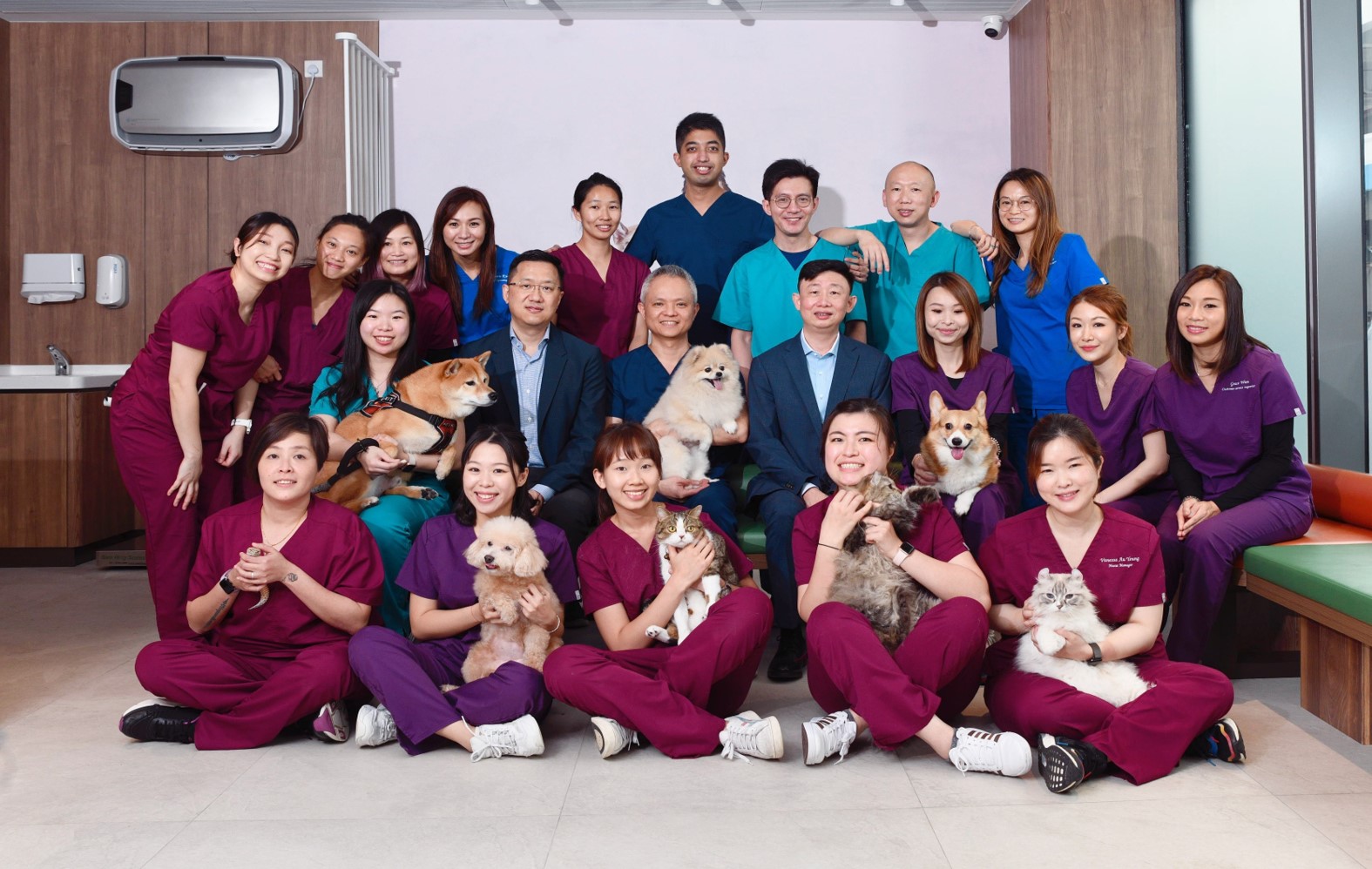
Our Team
We have a group of dedicated, experienced and enthusiastic professionals consisting of: Veterinary Oncologists, Veterinary Surgeons, Medical Physicists, Radiation Therapists, Nurses and Administrative staff across different specialisms …

Oncology Services
There are many types of cancer treatment. The types of treatment that your animal receives will depend on the type of cancer it has and how advanced it is …

Diagnostic Imaging and Nuclear Medicine
Environment and Facilities
Click to play the HVOC walkthrough video
Environment and Facilities
- Click to play the HVOC walkthrough video
Treatment Equipment
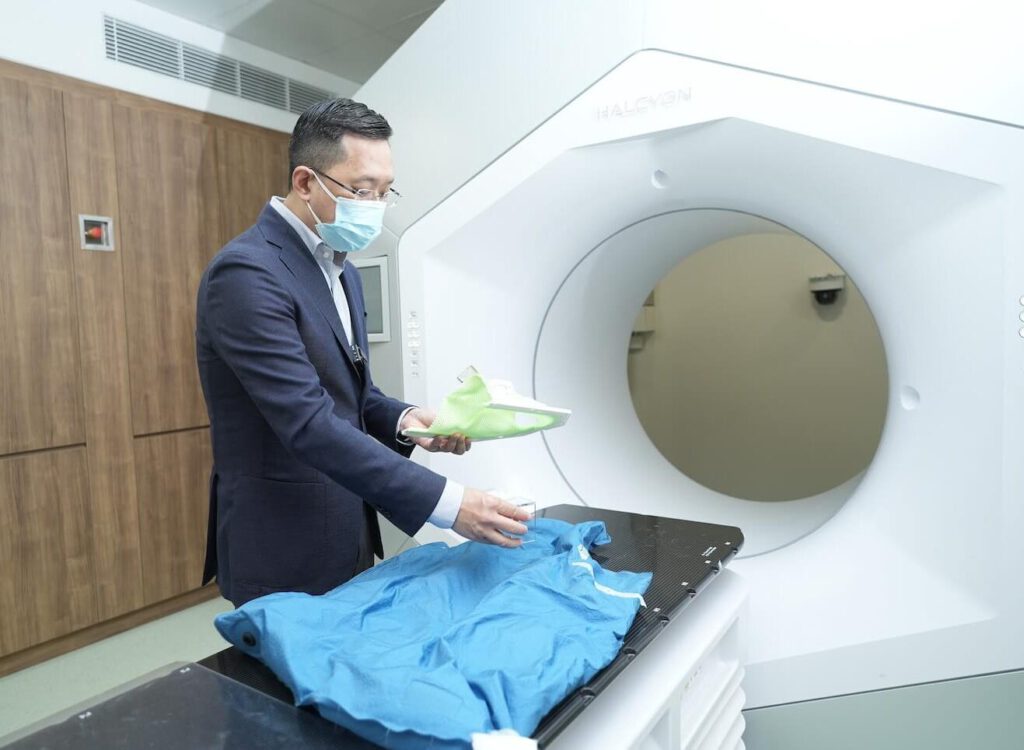
We are committed to providing personalized oncology services with state-of-the-art radiotherapy equipment to patients.
Linear Accelerator (Linac)
- Our centre is equipped with a Varian™state-of-the-art Linac Halcyon™.
- The design of Halcyon™ is based on the comfort and safety of the patient.
- With a new generation of radiation beam intensity modulation technology, an optimized imaging system
- Provides patients with high-efficiency and high-quality radiotherapy services.
Positron emission tomography-computed tomography (PET-CT)
- Our centre is equipped with a GE Discovery IQ PET-CT Scanner.
- Combines two pieces of equipment of PET and CT.
- Significantly improve the accuracy, sensitivity and specificity of tumour diagnosis.
Magnetic Resonance Imaging (MRI)
- The best way to see the brain, soft tissue and spinal cord tumours.
- To evaluate and stage cancer, determine tumour behaviour, and create and monitor a treatment plan including radiotherapy.
- A non-invasive measure used in animal’s benign conditions.
- Including paralyzed dogs with disc herniation, brain tumours, stroke, and rupture of cranial cruciate ligament, etc.
Our Mission
A Ray of HOPE

We uphold innovation and advanced technology to deliver optimal treatment with state-of-the-art patient care, designed individually for each animal.

We respect and listen to you to ensure the needs of your animals are met and work proactively to take care of their well-being.

We take care of your animal and you as if you were our family members, with love and care

Other Service
Our health check programs typically include a thorough nose-to-tail examination of your pet. Our experienced team will check every detail to ensure your pet is healthy in every way. This includes checking their temperature, eyes, ears, nose, mouth, teeth, skin, internal organs, joints, and more, using our advanced medical imaging facilities if necessary.
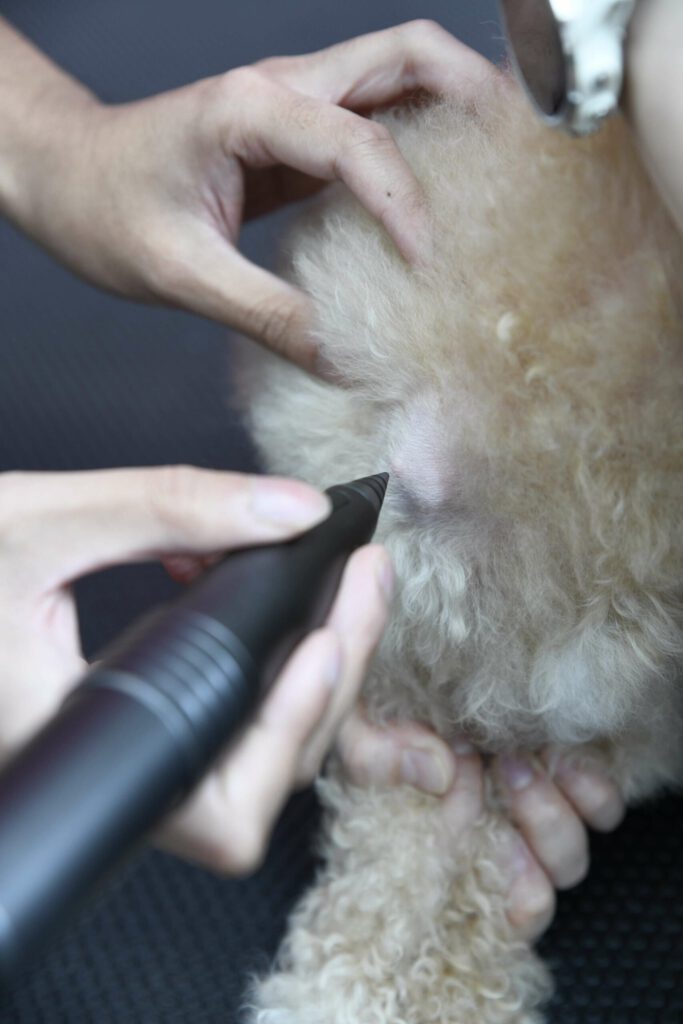
Cryosurgery can be used to treat a number of diseases and disorders, especially skin conditions. During cryosurgery, veterinarians apply cold packs, cold or ice baths, or freezing to a small area of the patient. Recent studies have shown that cryotherapy is an effective treatment for both skin and musculoskeletal diseases.
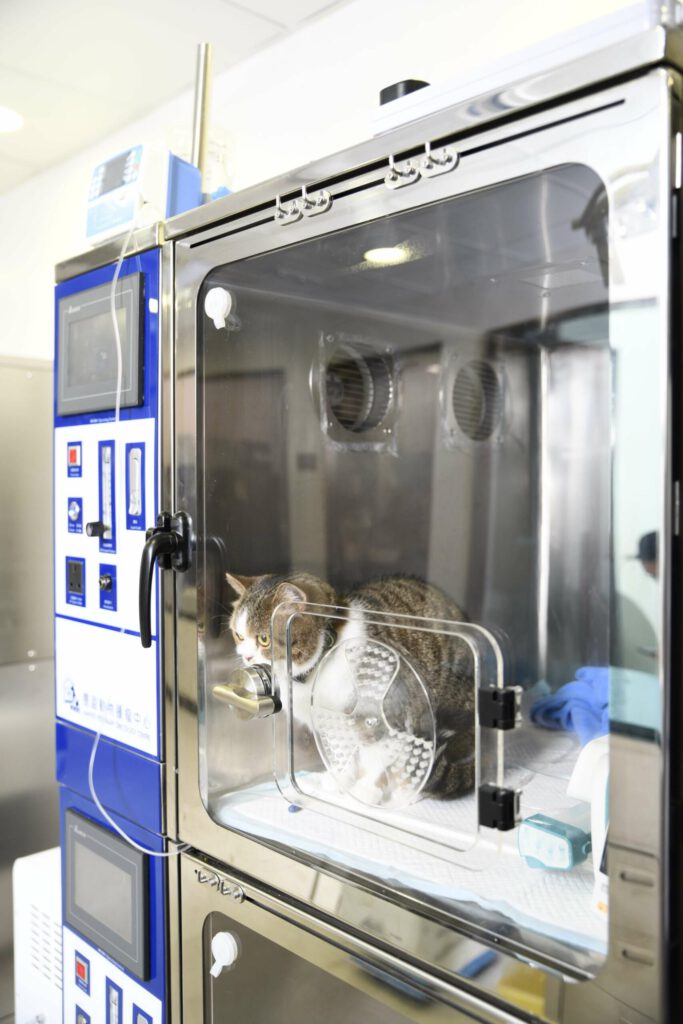
Based within our advanced Intensive Care Unit and fully supported by our Specialist multidisciplinary team, our ICU team provides exceptional expertise in critical care and treatment for every patient when they need it most.
Stem cells are powerful healing cells in the body that can differentiate into other types of cells. Stem cell therapy allows us to isolate stem cells from an animal’s own fat tissue, activate them, and re-inject them directly into damaged areas to enhance the pet’s health. For example, in cases of arthritis, stem cells can transform into new cartilage cells, reducing pain and increasing mobility.

Other Service
Our health check programs typically include a thorough nose-to-tail examination of your pet. Our experienced team will check every detail to make sure your pet is healthy in every way. This will include checking their temperature, eyes, ears, nose, mouth, teeth, skin, internal organs, joints and more by using our advanced medical imaging facilities if necessary.
Cryosurgery can be used to treat a number of diseases and disorders, especially skin conditions. During cryosurgery, veterinarians apply cold packs, cold or ice baths, or freezing on a small area of patients. Recent studies showed that cryotherapy is an effective treatment for skin as well as musculoskeletal diseases.
Based within our advanced Intensive Care Unit and fully supported by our Specialist multidisciplinary team, our ICU team provides exceptional expertise in critical care and treatment for every patient when they need it most.
Stem cells are powerful healing cells in the body that can become other types of cells. Stem cell therapy allows us to isolate stem cells from an animal’s own fat tissue, activate them, and re-inject them directly into damaged areas to improve a pet’s health. For example, in the case of arthritis, stem cells can become new cartilage cells, reducing pain and increasing mobility.